Home / Ground Movement and the Footings Behind a Gate
Ground Movement and the Footings Behind a Gate
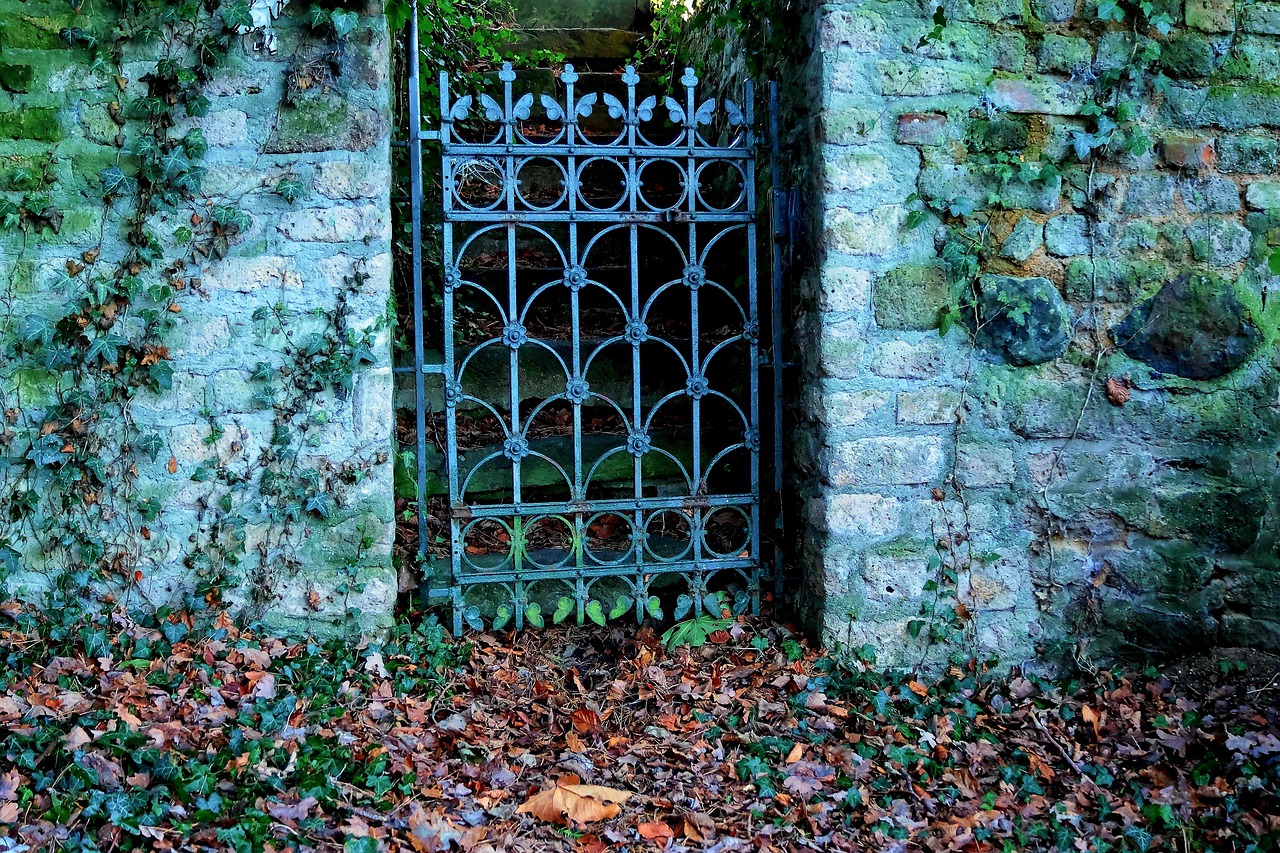
A gate is only as steady as the footings behind it, and footings are only as steady as the ground they sit in. Soil swells, shrinks, settles and sometimes washes away, and every one of those motions passes straight through the concrete into the hinge post and then into the gate leaf. Matching the footing to the ground is the quiet decision that determines whether a gate stays true or slowly drifts out of line.
People tend to notice the gate and ignore what holds it up. A heavy leaf swinging on a post puts a surprising amount of twisting force on the footing, and that force acts every time the gate opens or closes. Add soil that will not hold still and the footing faces a hard job.
The ways soil moves
Ground moves in several distinct ways, and a footing can face more than one at the same time.
Swelling and shrinking come from changes in moisture. Clay soils absorb water, expand and push on whatever is buried in them. When the water leaves, the clay shrinks and cracks. In central Texas the swing between drought and downpour makes this a yearly pattern, and a post set in clay feels it every season.
Settling happens when loose or poorly compacted soil gradually compresses under weight. It is common in fill, in trenches that were backfilled quickly and in new construction where the ground was disturbed. A footing set in loose fill may sink slowly, tilting the post with it.
Erosion removes soil from around the footing. Runoff that flows beside a post, a leaking pipe or a poorly aimed downspout can carve a hollow beside the concrete and reduce its support. A footing that has lost soil on one side leans toward that side.
Frost heave, a problem in cold regions, plays only a small role here, but the occasional hard freeze can lift lightweight posts in saturated soil.
How a footing resists
A footing resists in two ways: by weight and shape, and by grip on the soil. The concrete is heavy, and its mass helps hold the post upright. Its shape determines how much soil it can push against when the post tries to rotate. A wide, deep footing engages more soil than a narrow one and spreads the load across it.
Depth is important because upper layers of soil move most. A footing that extends below the active zone has stable ground gripping its lower portion. For a heavy leaf, extra depth is a good investment, since the post at the hinge side carries the leaf's weight as a lever.
Diameter matters for the same reason. A bigger cross-section resists turning, and it sets the width of the hole that holds the concrete. Some installers flare the bottom of the hole into a bell so that swelling soil above cannot grip and lift the footing, and so the post gains more bearing area at the base.
Reading the ground before digging
Good footing design begins with looking at the site. A few observations tell a lot.
- Soil type: dark, sticky clay that cracks in dry weather points to expansion, while sandy or rocky soil drains and moves less.
- Rock depth: a probe or test hole shows whether limestone lies close to the surface and whether posts will bear on it.
- Drainage: slopes, downspouts and low spots show where water will gather near the footings.
- Trees: large roots remove moisture and can distort the soil on one side.
- Fill: any area where the grade was built up, or where utilities were trenched, may settle.
- Neighboring structures: cracked slabs, tilting fences or leaning walls show how the ground has behaved.
The existing fence line is an excellent guide. Posts that lean, rails that bind and concrete collars that are cracked all show that the ground is active. A line of fence posts that has stayed straight for twenty years suggests stable conditions.
Matching the footing to the load
The size and type of gate sets a large part of the footing design. A light pedestrian gate needs only a modest footing. A wide, heavy driveway leaf with an electric operator needs a much larger one, because the hinge post carries the weight of the leaf, the force of wind against it and the push of the operator on every cycle.
A solid, privacy-style gate catches wind like a sail and loads its posts more than an open picket design of the same size. A cantilever slide gate places a different load on its support posts, with the tail section and rollers adding weight and moment. Each design has its own demands, and a fabricator's drawings should state footing sizes for each post.
Splitting a wide opening into two leaves reduces the lever arm at each hinge post, so each footing can be smaller. The choice between one wide leaf and a pair is therefore partly a question of what the ground can support.
Steel, concrete and the interface
The footing is not only a block of concrete. The post must be anchored into it so the two act as one. Deep embedment, anchor bolts or rebar cages tie the steel to the concrete. A post that sits shallowly in a big block can rotate inside it as the gate swings, loosening the bond and widening a gap that lets in water.
Concrete quality matters. A mix that is too wet shrinks and cracks as it cures, and a footing poured in a hot afternoon without curing care may dry too fast and weaken. Letting the concrete set for several days before hanging a heavy leaf allows it to gain strength. Rushing this step is a frequent cause of early lean.
Water control around the footing
Because soil movement is driven by moisture, managing water near the footing reduces risk. Gutters and downspouts should discharge well away from the gate. Sprinklers should not soak the posts. The surface should slope away from the footing so water does not pool. In some cases a gravel bed around the base drains water downward and keeps the soil around the footing at a steadier moisture level.
During a long dry spell, a slow, light watering of the soil near the footings can limit cracking, though uneven flooding does more harm than good. The goal is steady moisture, not a swing between extremes.
When a footing needs rework
If a post continues to move after adjustment, the fix is to reset the footing. That means removing the old concrete, digging to the right depth and width, and pouring new concrete correctly shaped for the load and soil. Doing the work properly takes time, and a quick collar poured around a failing footing seldom lasts.
Readers who want additional background on how soil, finishes and hardware work together in this region can find related articles at leander metal gates hub, covering the ownership questions that follow the installation of a gate. A well-planned footing is invisible once the work is done, and that invisibility is the sign of a job done right: a gate that swings, latches and lasts without drawing attention to what lies beneath it.