Home / Vegetation, Brush and Fire Safety Around a Gate Opening
Vegetation, Brush and Fire Safety Around a Gate Opening
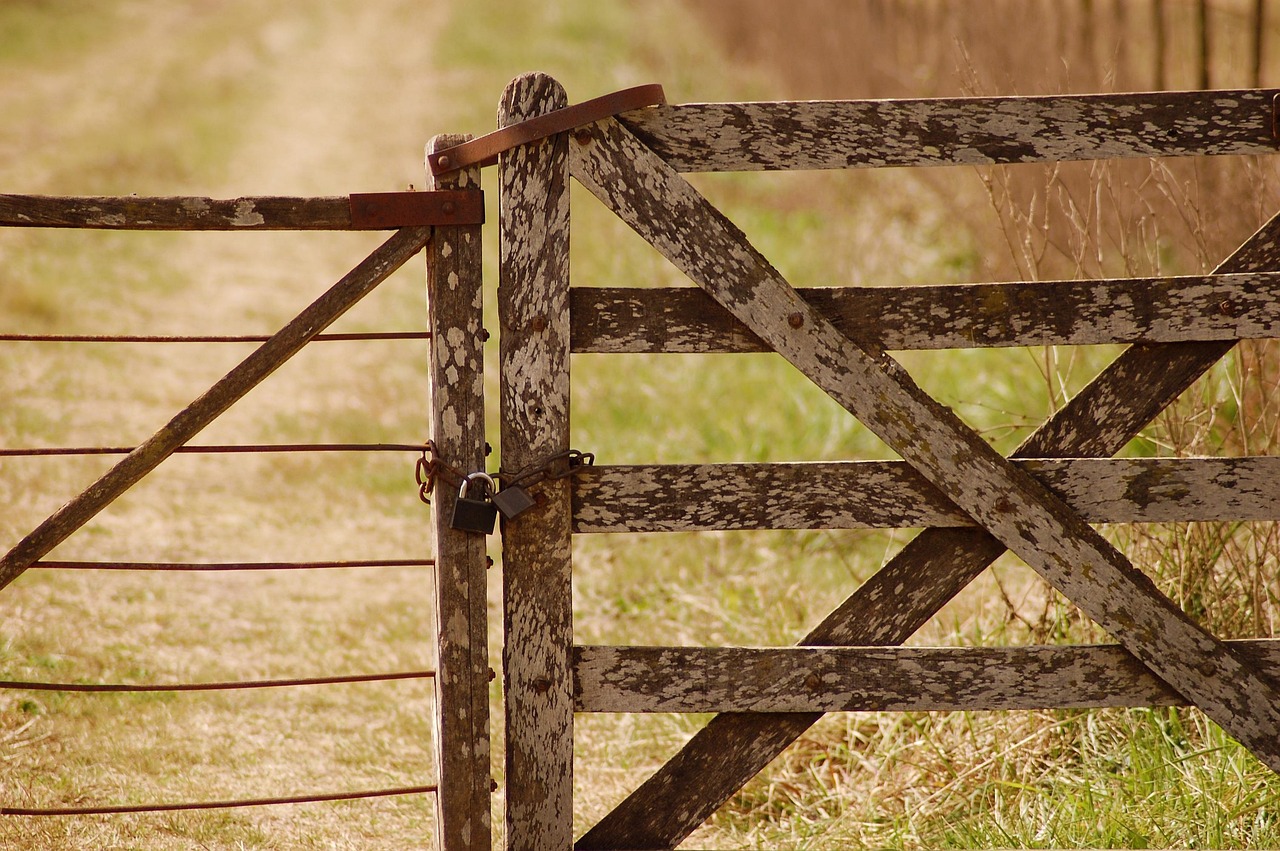
Plants near a gate affect how it moves, how its sensors see, and how safely people and responders can get through it. Grass grows into tracks, vines wrap hinges, shrubs block photo eyes and dry brush by late summer turns a gate opening into a fuel path. A modest routine of clearing and trimming keeps all of this under control and costs far less than repairing what neglected growth damages.
Leander and the surrounding Williamson County area have a long growing season followed by hot, dry stretches. Grass and weeds grow quickly in spring, dry out in July and August, and can become tinder before the autumn rains. Properties at the edge of town, bordering ranch land or open lots, see the effect most strongly, but every lot with a gate has some version of the problem.
How growth interferes with gate movement
A gate leaf moves through space that plants also want to occupy. A swing gate sweeps an arc across the ground, and any shrub, weed or branch inside that arc can catch the bottom rail or the pickets. A sliding gate rolls along a track or rail, and grass, silt and leaves in the track make the wheels climb, jam or derail. Overhead and cantilever designs avoid ground tracks but still pass near fences and posts where vines and branches reach.
Growth also works on small parts. Vines wrap hinge pins and latch mechanisms, making them stiff. Roots lift pavement under the sweep of a leaf and raise the ground so the rail scrapes. Seeds and debris collect in operator housings and slow the motor.
The operator tries to push through whatever obstruction it meets. That strain heats the motor, wears gears and can trip safety sensors, producing the sort of intermittent fault that is hard to diagnose until someone looks at the ground and finds a tangle of grass in the track.
Sensors, eyes and edges
Automatic gates carry safety devices that detect obstacles. Photo eyes send a beam across the opening, and if something interrupts it the gate stops or reverses. Contact edges on the leaf sense pressure. These devices protect people, pets and vehicles, and they depend on a clear line of sight and clean surfaces.
Tall grass, weeds or a shrub that has grown into the beam path will trip a photo eye falsely. The gate then refuses to close, or stutters and reverses for no visible reason. Spider webs and insect nests on the lens do the same. Some owners respond by disabling a sensor, which removes a safety layer and is a dangerous choice. The correct answer is to clear the path and clean the lens.
Contact edges collect dirt and may be damaged by branches. A quick look along the edge for cuts, flattened sections or debris keeps this protection working.
Dry brush and fire considerations
When summer heat dries grass and weeds, the strip of land around a gate opening can carry a grass fire. Sparks from a mower blade hitting a rock, a hot vehicle exhaust over dry grass, a discarded cigarette or an electrical fault in an operator can all start one. A gate in the middle of a dry grass strip is also an obstacle if the fire is near, because a gate that will not open stops people and vehicles from leaving.
Basic precautions reduce the danger.
- Mow or trim grass short near the opening, the pavement edges and the gate equipment during dry months.
- Remove dead brush, leaf litter and fallen branches from around posts, operator housings and electrical boxes.
- Keep woody shrubs and low tree limbs trimmed back from the gate and from overhead wires.
- Avoid stacking firewood, lumber or fuel containers against a gate or fence.
- Use mowers in the cooler, damper morning hours and not in the hot, dry afternoon.
Local fire authorities and the county publish guidance on defensible space and burn conditions, and it is wise to check it each season, since rules and risk levels change with the weather.
Choosing plants near a gate
Landscaping near a gate should be planned with movement and maintenance in mind. Low, slow-growing ground covers, gravel or paving along the swing path keep the sweep area clear. Tall shrubs and fast climbers are poor choices near hinges and sensors. Trees should stand far enough back that falling limbs and root growth do not threaten the posts.
A strip of gravel, stone or bare pavement a couple of feet wide on each side of the gate leaf makes a practical buffer. It keeps weeds out of the track, discourages vines from reaching the hardware and cuts the fuel available to a grass fire. It also looks tidy, and it makes mowing around the gate easier.
A simple seasonal routine
A short routine, followed on a calendar, keeps ahead of growth.
In spring, when growth takes off, walk the gate and clear the swing path, the track and the sensor lines. Trim back anything that has crept toward hinges. Clean the lenses of photo eyes with a soft cloth.
In early summer, repeat the check and mow or trim around the opening before the grass dries out. Look inside the operator housing for nests, webs and debris, with the power off.
In late summer and early fall, clear dry grass and leaf litter and look again at electrical boxes. After storms, check for branches or debris that blew into the path.
In winter, with growth slow, prune woody plants and repair any damage that growth caused during the year.
Keeping the gate usable for everyone
A clear opening is a safety feature as well as a convenience. Delivery drivers, service providers and emergency responders rely on being able to reach the property. Keeping vegetation off the approach, cutting back overhanging branches that could strike a tall vehicle and ensuring that the gate can be opened by hand during a power outage all support that goal.
Readers who want further guidance on gate care, access and upkeep in this part of Texas can find related articles at leander metal gates hub. Attention to what grows around a gate is among the simplest and least expensive forms of maintenance, and it protects the hardware, the sensors and the people who rely on the opening every day.