Home / Choosing Steel, Aluminum or Iron by How Each Corrodes
Choosing Steel, Aluminum or Iron by How Each Corrodes
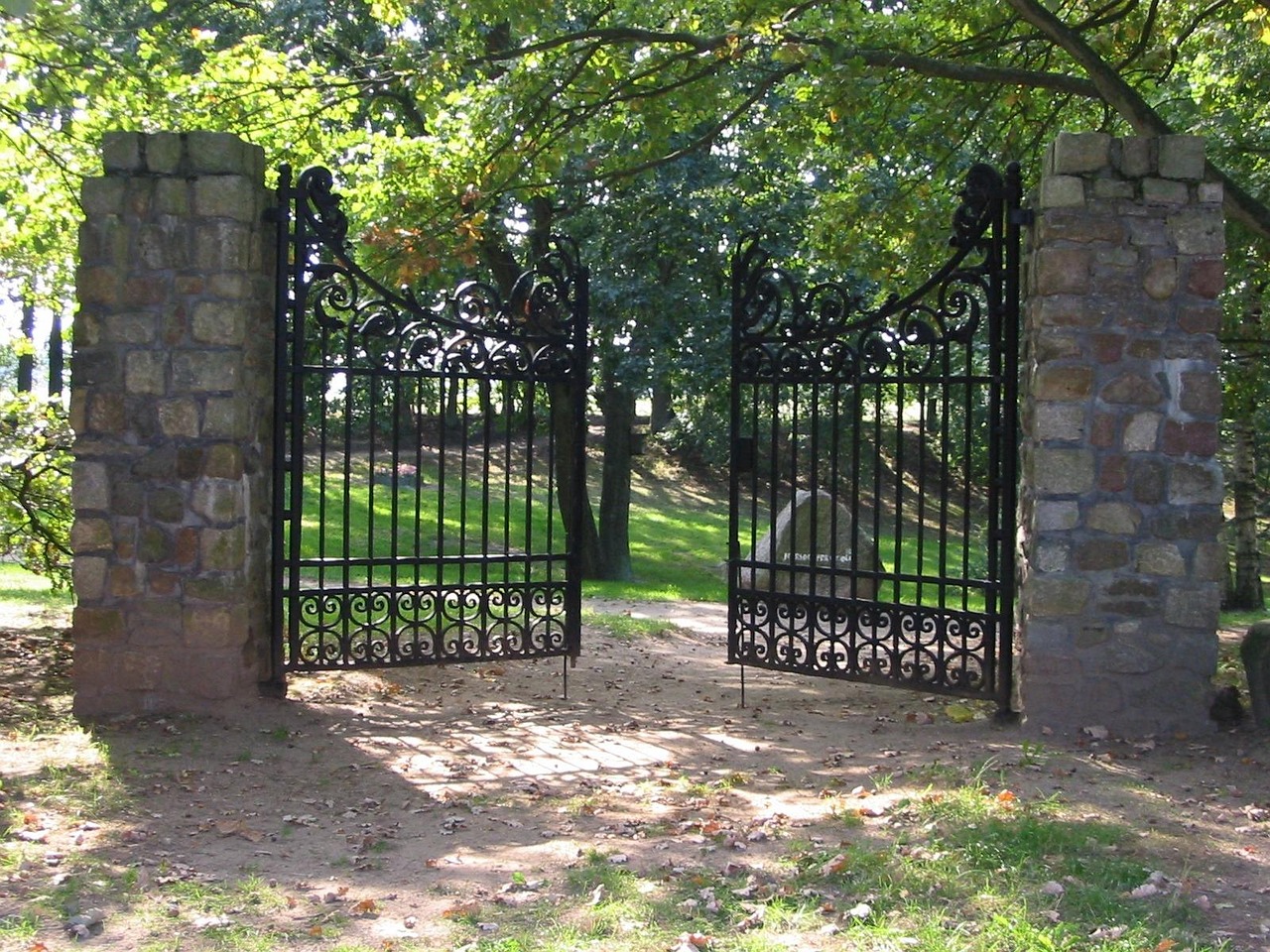
Steel, aluminum and wrought iron all wear out from corrosion, but each one fails in its own way, and the way it fails decides what protection it needs. Steel rusts into flaking red scale, aluminum forms a pale oxide that can pit, and iron behaves much like steel but with a longer history of surviving when it is cared for. Picking a gate metal by how it corrodes gives a better answer than picking by looks alone.
The word corrosion simply means a metal reacting with its surroundings and turning back into a compound. Water, oxygen, salts and certain chemicals drive the reaction. How fast it proceeds and what it leaves behind depend on the metal. Understanding these differences helps owners choose a material and a finish that fit a site in Leander, where heat, sudden rain and mineral-rich water are the usual conditions.
How steel corrodes
Ordinary carbon steel is the most common gate material. It is strong, easy to weld and economical to shape. It is also the metal most associated with red rust. When bare steel meets water and oxygen, iron at the surface turns to iron oxide, a flaky, orange-brown substance that takes up more space than the metal did. The expanding scale lifts any coating above it, exposes fresh steel and lets the process continue.
Because the rust does not form a protective layer, steel keeps corroding until something stops it. This is why steel gates rely on coatings. A sound finish keeps moisture off the metal, and a zinc layer or zinc-rich primer protects even where the finish is scratched. Steel treated this way can last for decades, though the finish needs inspection and repair at intervals.
The weak points are the places where coatings fail first: welds, edges, drilled holes, the bottom rail and the insides of hollow tubing. Careful fabrication and ongoing attention to those spots determine how long a steel gate survives.
How wrought iron and mild steel in ornamental work behave
True wrought iron, made by hand-working low-carbon iron with slag inclusions, is rare now, and most gates sold as wrought iron are made from mild steel in a traditional style. Genuine old wrought iron resists rust somewhat better than modern steel because the slag fibers slow corrosion and interrupt its path. Modern ornamental work in mild steel follows the behavior described for steel, with extra concern for decorative parts.
Scrollwork, twists, collars and castings create nooks where water and dirt collect and where coatings are hard to apply evenly. A simple flat bar gate offers fewer places for rust to start than an ornate design full of curls and joints. This does not mean ornate gates are poor choices, but it does mean they need a thorough coating and a regular check of every crevice.
How aluminum corrodes
Aluminum reacts with oxygen almost instantly, but the oxide it forms is thin, hard and tightly bonded. That film seals the surface and protects the metal beneath. This is why aluminum does not show red rust and why it can look serviceable for years without paint.
The protective film has limits. In the presence of certain salts, strong alkaline or acid cleaners, or wet contact with other metals, the oxide breaks down locally and the metal pits. The result is a rough, chalky white or gray deposit often called white rust, though it is not rust. Contact with steel fasteners in a wet environment can trigger galvanic corrosion, where the aluminum sacrifices itself to protect the steel.
Aluminum is lighter than steel, which lowers load on hinges, posts and operators. It is also softer and less strong for the same size of section, so aluminum gates use heavier sections or additional bracing for large spans. Welding aluminum calls for specialized skill, and the heat of welding can weaken the metal near a joint.
Galvanic effects where metals meet
When two different metals touch in the presence of moisture, one corrodes faster than it would alone and the other slower. This effect appears in gates wherever mixed hardware is used. Stainless screws in an aluminum frame, steel hinges bolted to aluminum posts and copper or brass trim on steel all create couples.
Careful design reduces the problem. Insulating washers, nylon sleeves, sealants and compatible fastener choices keep dissimilar metals from touching directly. Zinc-plated or galvanized hardware is usually a safe partner for steel, and stainless fasteners suit aluminum when isolated properly.
Stainless steel and other options
Stainless steel contains chromium, which forms a thin, self-healing oxide layer much like aluminum's. It resists corrosion well in most residential settings and keeps its appearance without paint. Grades differ, and the common grades can still show light staining or tea-colored discoloration near the coast or near salty air, which is not a concern in inland Leander to the same degree.
Stainless is more expensive to buy and to fabricate, and it is harder to work than mild steel. It is a good choice for hardware, hinges and small parts even on gates built mainly from other metals, since moving parts get the most wear.
Weathering steel, which forms a stable rust layer that slows further corrosion, is sometimes used for design effect. It needs conditions where the surface can dry between wettings, and the rust runoff can stain adjacent concrete and paving, so it requires thought about placement.
Matching metal to finish
Each metal calls for a finish suited to its behavior.
- Steel does best with galvanizing or zinc-rich primer, followed by a durable topcoat.
- Ornamental mild steel needs full coverage in every crevice and a routine check of joints and scrolls.
- Aluminum benefits from a chemical pretreatment and a polyester powder coat, or anodizing, which builds the oxide layer into the metal.
- Stainless steel usually needs no coating, though regular washing keeps the surface bright.
Choosing a finish that does not match the metal causes early failure. A paint with poor adhesion on aluminum peels in sheets, while a coating with no rust inhibition over bare steel gives only cosmetic protection.
Weighing the choices for a Leander property
For most suburban entries, powder-coated galvanized steel offers strength and long life. For lighter gates, or for those where weight on posts and operators is a concern, aluminum with a quality coating is practical. Owners who want minimal maintenance on hardware can choose stainless for hinges and fasteners.
No metal is immune to neglect. The most corrosion-resistant choice still benefits from washing, inspection and prompt touch-up. People who want to read more on how finishes, footings and care interact for gates in this area can find related guides at leander metal gates hub. The right pairing of metal, finish and routine gives a gate that ages gracefully and keeps working long after a poorly matched one has been replaced.