Home / Wrought Iron and Mild Steel and How Surface Rust Spreads
Wrought Iron and Mild Steel and How Surface Rust Spreads
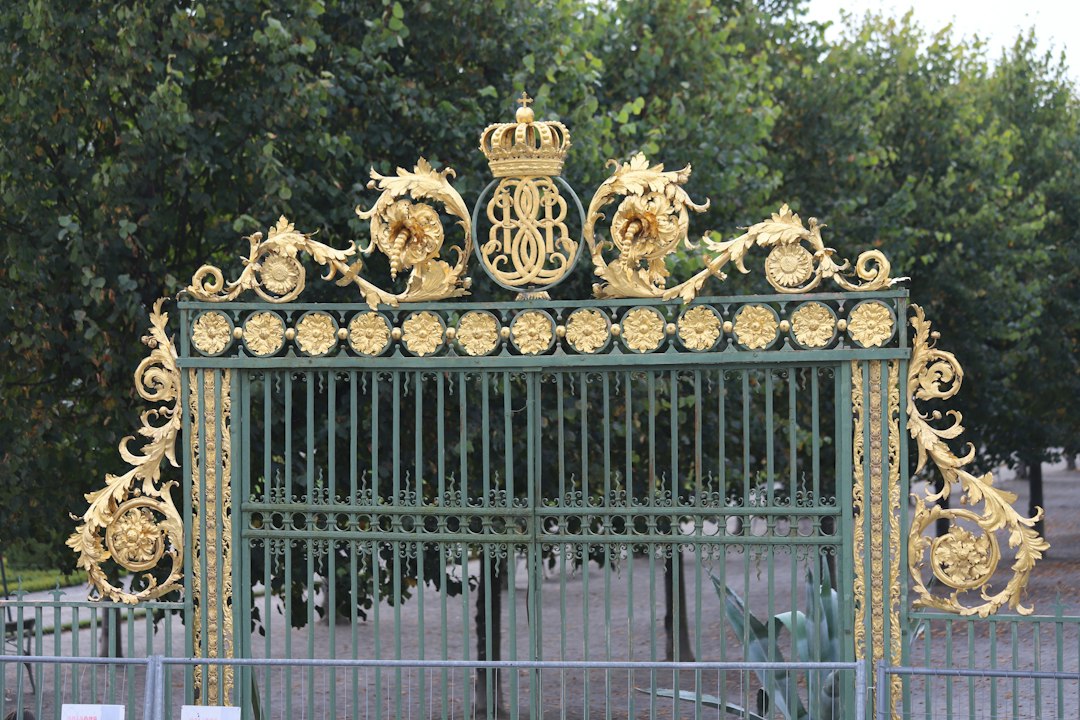
Surface rust on iron and mild steel starts as a freckle and ends as a hole, and the difference between the two outcomes is mostly how early someone notices. Rust is not simply a stain. It is a chemical conversion of the metal itself into a flaky, bulky oxide that takes up more space than the steel it replaced. That growth lifts paint, opens new paths for water and keeps the process going. A gate owner who understands the pattern can stop most rust while it is still cosmetic.
Wrought iron and mild steel behave similarly in practice, though the terms are often mixed up. True wrought iron, made by hand-working low-carbon iron with slag fibers, is rare in new gates. Most gates sold as wrought iron are mild steel, shaped from bar and tube. Both rust when moisture and oxygen reach bare metal, and both depend on paint, primer or zinc to keep them away.
How rust begins
Rust needs three things: iron, oxygen and water. Take any one away and it stops. On a painted gate the paint film keeps water and air from the iron. The process begins when that film is broken, whether by a chip, a scratch, a weld that was never coated well, an edge where paint pulled thin, or a joint where water sits.
Once bare iron is wet, tiny areas of the surface become anodes and others become cathodes. The anodes give up iron ions, which combine with oxygen and water to form the orange-brown oxide known as rust. Salts and pollution in the water speed the exchange, which is why coastal and industrial air is harsher than inland air. In Leander, the main drivers are heavy downpours after dry spells and dew that lingers on shaded sections.
How it spreads under paint
The first sign is often a small bubble in the paint. Beneath it, rust has already formed and swelled, pushing the film upward. Water enters through the break and travels sideways under the paint, because the bond between coating and metal weakens as rust grows. This sideways travel is called undercutting, and it is why a small chip can produce a large patch of blistered paint a season later.
Another form is filiform corrosion, thin thread-like tracks that wander under the paint from an edge or scratch. It is more common on poorly prepared or thinly coated areas. By the time the threads are visible, the coating is already compromised along their length.
Joints and crevices are favorite hiding places. Where two pieces overlap, water is drawn in by capillary action and stays. Rust forming in the gap grows and pries the pieces apart, which opens the crevice further.
Stages of damage
- Light surface rust: orange discoloration or a dusty film, no pitting, easy to remove with a wire brush.
- Scaling: rust forms layers that flake, leaving a rough, pitted surface.
- Pitting: small craters form where metal has been lost, and the surface feels rough even after cleaning.
- Section loss: edges, welds or thin tubing have visibly thinned, and holes may appear.
The first stage is a maintenance task. The last is a repair job that may involve cutting out and replacing metal. Most gates spend years in the first stage if nobody does anything, and the move to the later stages often goes unnoticed because it happens in places that are hard to see, such as the underside of the bottom rail or inside tubing.
Stopping early rust
The method is straightforward and works best when done in dry weather.
- Remove loose paint and rust with a wire brush, scraper or abrasive pad until sound edges and clean metal show.
- Feather the surrounding paint edge with fine sandpaper so the repair blends.
- Wipe the area clean and let it dry fully.
- Apply a rust-inhibiting primer, preferably zinc-rich, to the bare metal and the edge of the old paint.
- Finish with two thin coats of exterior topcoat that matches the existing color.
Rust converters, which are products that chemically change rust into a stable black layer, can help on areas that are hard to clean fully, such as pitted surfaces. They are not a replacement for primer and topcoat and work best as a first step beneath them.
When the rust has gone deep
Scale and pits mean metal is gone. Light pitting that is cleaned, primed and sealed can stay stable for years. Thinned walls on tubing, holes at the base of posts, or welds that crumble when poked with a screwdriver show structural loss. In those cases, a welder can cut out the damaged section and replace it with new steel, then the area is blasted, primed and painted.
The bottom rail and the lower ends of pickets are the usual places for this level of damage, because they stay wet longest. Check them by pressing a screwdriver point against the metal. Sound steel resists. Rotten steel gives or crumbles.
Prevention that actually works
The best protection is built in from the start: surface preparation, a zinc layer or zinc-rich primer, a full topcoat and sealed or drained tubing. After that, the owner's part is simple and regular.
- Walk the gate twice a year and look at every joint, weld and low point.
- Touch up chips as soon as they appear, before the first rain.
- Keep soil, mulch and lawn from piling against the base so the lower rail stays dry.
- Adjust sprinklers so spray does not hit the gate.
- Wash off dirt and salt residue that hold moisture against the finish.
A realistic view
No paint system keeps iron from rusting forever. What a good system does is turn rust from a constant threat into an occasional chore. A small kit of brush, primer and matching paint, used promptly, can keep a mild steel gate sound for decades. The gates that fail early are almost always the ones where a chip became a bubble, the bubble became a blister and nobody looked until the metal behind it was already gone.